


Stop unplanned Roots blower shutdowns with AIM monitoring
Reactive maintenance on Roots blowers often degenerates into "firefighting": a bearing runs hot, a belt or coupling problem drives vibration up, and the only option is an emergency stop. By combining edge monitoring, intelligent algorithms, and cloud applications, our maintenance teams can instead use continuous data to plan interventions before failures affect aeration or conveying processes.

Roots Blower Maintenance Challenges in Real Plants
Roots blowers are widely used in wastewater treatment and industrial processes because of their simple structure, relatively flat pressure-flow curve, and modest day-to-day maintenance workload. Even so, several failure modes remain common in service:
- Bearing overheating and damage
- Abnormal vibration and noise from misalignment or internal rubbing
- Oil level loss, oil leakage, and lubricant degradation
- Motor overcurrent under abnormal load
Our maintenance guidance for Roots blowers focuses on routine checks of oil level, vibration, sound, and temperature. A typical recommendation is to replace lubricating oil after the first 500 operating hours and then every 4,000 hours, with vibration and temperature checked regularly at the front and rear bearing boxes in vertical, horizontal, and axial directions.
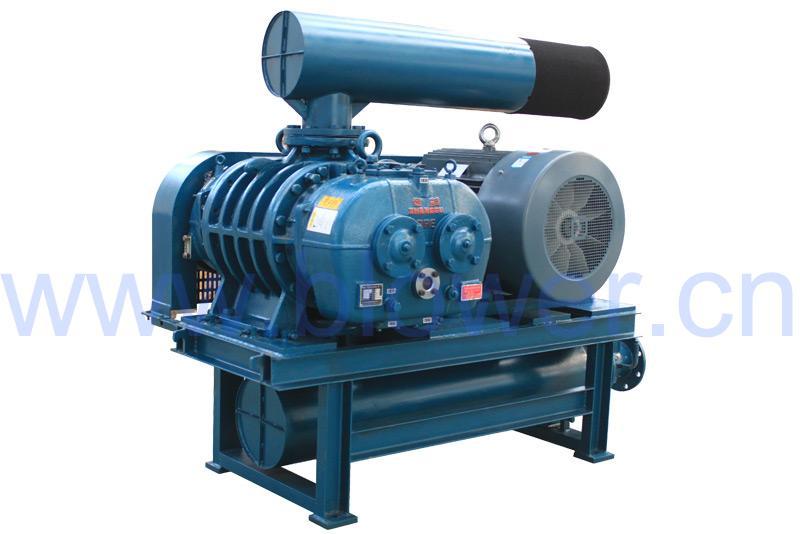
Periodic rounds alone, however, leave long intervals during which early degradation can develop unnoticed. Small changes in vibration, temperature, or oil consumption accumulate, and the first visible symptom may be a trip, a seized bearing, or serious internal damage.
From Rounds to Data: Three Technical Nodes at the Edge
Our intelligent condition-monitoring system is built around three technical nodes that are also reflected in our intelligent state-monitoring projects:
- IoT terminals for data acquisition
- Core algorithms for processing and analysis
- An intelligent management cloud platform
These nodes are based on intelligent IoT (AIoT), edge computing, artificial intelligence, and big-data analysis technologies, forming a predictive maintenance solution that has already been successfully applied on equipment such as slurry pumps.
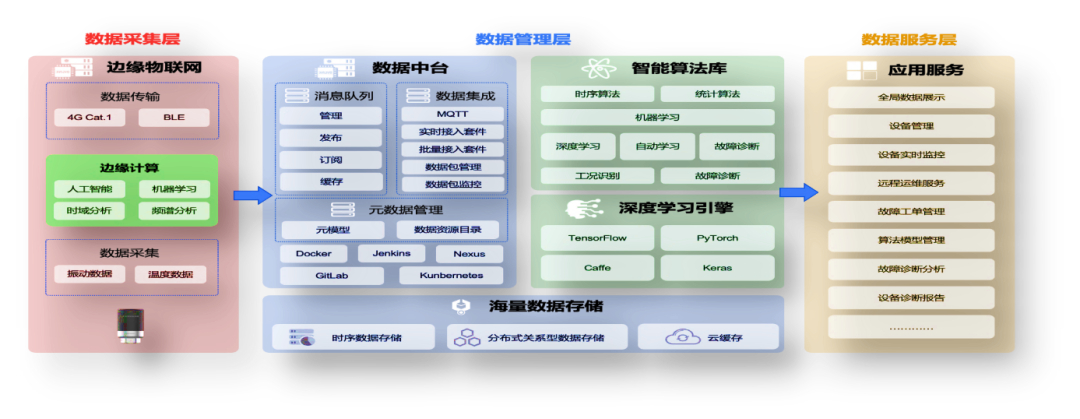
Applied to Roots blowers, this architecture aligns naturally with existing inspection points:
- Bearing vibration and temperature at the front and rear bearing boxes (vertical, horizontal, axial directions)
- Motor bearing temperatures
- Oil level and leakage via sight glasses or level sensors
- Operating status signals, such as current and running status
Wireless vibration-temperature sensors from our product line can be installed at key bearing locations and connected to on-site IoT terminals, turning scattered manual readings into continuous Roots blower condition monitoring.
A practical set of monitoring points can be organized as follows:
| Monitoring point | Sensor type | Position | Typical cadence |
|---|---|---|---|
| Drive-end bearing temperature | Temperature or vib-temp combo | Drive-end bearing box (axial/horizontal) | Continuous acquisition |
| Non-drive-end bearing vibration | Wireless vib-temp sensor | Rear bearing box (vertical/horizontal) | Continuous acquisition |
| Oil level and potential leakage | Visual or level detection | Oil sight glass / sump | Daily check + on-alarm |
During commissioning, several weeks of "normal" data under different loads are collected to build baselines. These baselines allow later deviations in vibration, temperature, or stability to be identified early.
AIM Intelligent Device Monitoring Cloud Platform as the Analysis Hub
As detailed in our product information, the AIM intelligent device monitoring cloud platform is an intelligent remote monitoring cloud platform that, based on end-cloud collaborative intelligent algorithms and a business expert knowledge base, provides five core services:
- Real-time state monitoring
- Intelligent fault diagnosis
- Professional analysis charts
- Alarm closed-loop tracking
- Equipment insights overview
When Roots blower data from on-site IoT terminals is connected to the AIM intelligent device monitoring cloud platform, maintenance teams gain a continuous, visual view of blower behavior. Real-time dashboards can display key parameters such as bearing temperatures, vibration levels, and running status, while analysis charts compare current behavior with historical baselines from the commissioning period.
Instead of isolated measurements, engineers see trends across the blower group: which units are running hotter, where vibration is growing, and how oil-related issues develop over time. Intelligent diagnostic logic on the platform helps highlight abnormal patterns that merit on-site confirmation.
Closing the Loop with EAM and Device-Health Mobile App
Turning early warnings from AIM into concrete maintenance actions requires structured processes and tools. We therefore offer two complementary platforms that can work together with the AIM intelligent device monitoring cloud platform:
- EAM equipment management cloud platform – designed for equipment terminal users, this platform supports equipment archives, inspection records, spare-parts replacement, repair records, equipment online monitoring, and task statistics. It can be used together with AIM to raise the digital and intelligent level of plant-wide equipment management and maintenance.
- Device-Health mobile app – oriented to equipment manufacturers and service providers, this app allows users to view equipment operating status anytime, discover anomalies in time, locate faults accurately, and improve management efficiency from a mobile terminal.

For Roots blowers, a typical closed-loop workflow can be organized as:
- Anomaly detected in AIM – for example, gradually rising rear-bearing vibration on a key aeration blower.
- Cloud-side diagnosis and charts – AIM's analysis results and historical curves help classify the issue and judge urgency.
- Work order management in EAM – the EAM equipment management cloud platform creates or updates a work order linked to that blower, including relevant monitoring and maintenance records.
- On-site execution via Device-Health – field personnel receive tasks through the Device-Health mobile app, perform on-site checks, adjust operating conditions, or arrange downtime.
- Feedback and alarm closure – execution information is recorded in EAM and alarm status is updated in AIM's closed-loop tracking to reflect the latest equipment state.
Verified Benefits and a Practical Rollout Path
In intelligent state-monitoring projects within our pump and mining business, this "equipment + IoT terminal + intelligent cloud platform" model has already produced measurable benefits. After giving equipment a "pair of eyes" through intelligent monitoring and combining that with data-driven analysis and remote operation and maintenance, comprehensive maintenance costs were reduced by about 20–30%, and non-planned shutdown accident rates dropped by more than 70%.
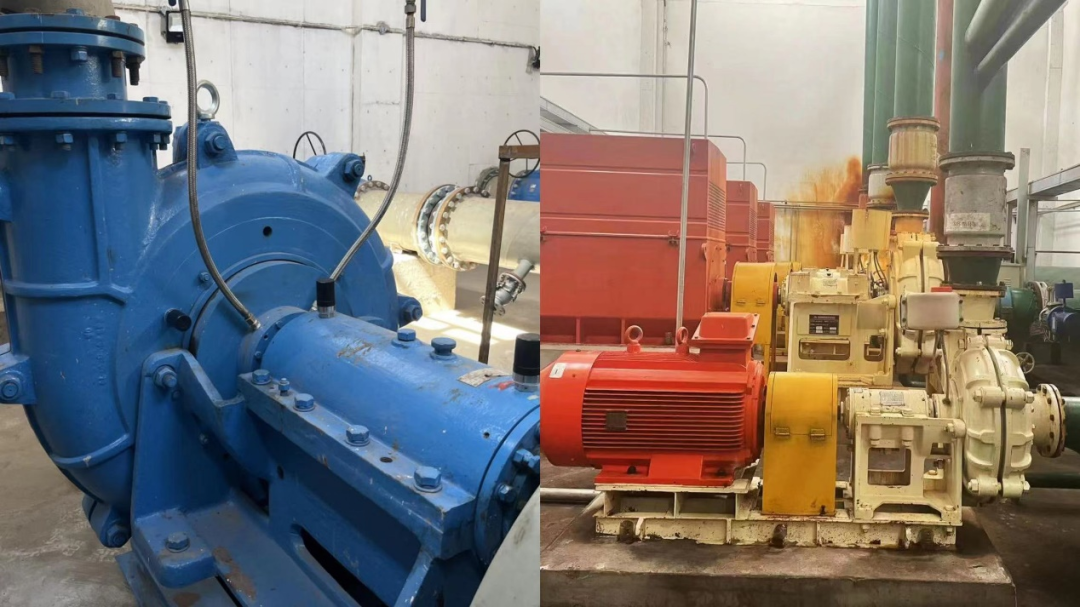
The same architecture can be applied to Roots blowers in wastewater treatment and other industries, using their existing inspection points as the starting point for condition-based and predictive maintenance. A phased rollout for Roots blower condition monitoring can follow these practical steps:
- Select a pilot scope – start with representative blowers, such as key aeration units whose downtime has clear production impact.
- Deploy sensors – install wireless vibration-temperature sensors on front and rear bearing boxes and motor bearings; ensure oil level can be observed reliably.
- Establish baselines – run for several weeks to capture normal operating patterns across load ranges and verify data quality.
- Tune alarms in AIM – adjust thresholds using AIM's analysis charts so that alarms correspond to meaningful deviations rather than normal fluctuations.
- Align with EAM – make sure each blower has a complete equipment archive in the EAM equipment management cloud platform and that AIM tags correspond to EAM asset IDs.
- Track KPIs – compare unplanned shutdowns, emergency repairs, lubricant consumption, and inspection workload before and after deployment.
Frequently Asked Questions
What does the AIM intelligent device monitoring cloud platform provide for Roots blowers?
Based on end-cloud collaborative intelligent algorithms and a business expert knowledge base, the AIM intelligent device monitoring cloud platform offers real-time state monitoring, intelligent fault diagnosis, professional analysis charts, alarm closed-loop tracking, and an equipment insights overview. When Roots blower data is connected, these services support condition-based and predictive maintenance.
Which points on a Roots blower are recommended for monitoring first?
Our maintenance content recommends focusing on vibration and temperature at the front and rear bearing boxes in vertical, horizontal, and axial directions, motor bearing temperatures, as well as regular checks of oil level and leakage. These locations are well suited for wireless vibration-temperature sensors connected to IoT terminals.
How does EAM complement AIM for Roots blower maintenance?
The EAM equipment management cloud platform manages equipment archives, inspection records, spare-parts replacement, repair records, equipment online monitoring, and task statistics. Used together with the AIM intelligent device monitoring cloud platform, it links condition monitoring data with work orders and maintenance history so that detected anomalies on Roots blowers trigger structured, traceable actions.
What role does the Device-Health mobile app play on site?
The Device-Health mobile app is oriented to equipment manufacturers and service providers. It enables users to view equipment operating status anytime, discover anomalies in time, locate faults accurately, and improve management efficiency via mobile devices, closing the loop from AIM cloud diagnostics to on-site confirmation.
What improvement levels have intelligent monitoring projects achieved so far?
In intelligent state-monitoring projects in our pump and mining business, the applied system has reduced comprehensive maintenance costs by about 20–30% and lowered non-planned shutdown accident rates by more than 70%. These results illustrate the potential value of combining intelligent monitoring with data-driven analysis for equipment groups, and the same architecture can be extended to Roots blowers.
References
- Shandong Zhangqiu Blower Co., Ltd. Enterprise Website, AIM Intelligent Device Monitoring Cloud Platform Product Information and Tags (End-cloud collaborative intelligent algorithms, five core services, etc.).
- Enterprise Knowledge Base Article: "Shandong Zhanggu 'Party Building Leads Empowerment, Intelligent Transformation and Digital Upgrade' Series (3) - Endowing Equipment with Intelligence, Creating a 'Chip' Era" (Three technical nodes of intelligent state monitoring system, AIoT and edge computing applications, and project benefit data).
- Enterprise Knowledge Base Article: "Maintenance and Care of Roots Blower among Aeration Blowers for Wastewater Treatment" (Roots blower structural features, vibration and temperature inspection methods, lubricating oil replacement cycle and other maintenance points).


