


Industrial Fan Retrofits That Deliver Lasting Energy Savings
Retrofitting ageing industrial fan systems is one of the fastest ways for plants to cut power consumption, stabilize operations, and reduce noise without rebuilding the entire process line. Drawing on our SiPESC digital design platform and retrofit-ready fan portfolio, plant engineers can seamlessly move from problem diagnosis to a practical industrial fan retrofit and blower system retrofit plan that delivers measurable fan energy efficiency improvements.

Ageing Fan Systems and Where the Savings Come From
Many legacy fans in process plants were selected years ago as oversized, fixed-speed units. Over time, this often leads to:
- Long-term throttling at partial load
- High specific energy consumption
- Increasing vibration and noise
- Rising maintenance costs and unplanned downtime
Our “智改数转” (intelligent and digital transformation) practice shows that combining a high-efficiency centrifugal fan with digital design and testing addresses these pain points simultaneously. It delivers higher efficiency, lower vibration, reduced noise, and a more predictable lifecycle cost. This makes an industrial fan retrofit and blower system retrofit a high-return first step in many plants' energy optimization programs.
Our SiPESC series high-efficiency energy-saving centrifugal fan is a representative example of our retrofit-grade design:
- Flow: 60,000–80,000 m³/h
- Total pressure: 6,000–9,500 Pa
- Fan efficiency: about 91%, reaching national Level 1 energy efficiency
- Vibration: ≤2.5 mm/s
- Design: Covered casing for low noise, wide high-efficiency zone, and flat performance curve
These characteristics make our series a strong candidate wherever fan energy efficiency improvements and stable, low-vibration operations are the primary retrofit objectives.
Digital Design Foundation for Retrofit Centrifugal Fans
Behind our high-efficiency centrifugal fan products is the robust domestic SiPESC CAE platform, which we use to carry out failure-mechanism analysis, topology optimization, and systematic simulation. The CA855-141 high-efficiency energy-saving fan prototype is a concrete example of how this digital foundation supports industrial fan retrofit projects.
On the CA855-141, our development team utilized SiPESC to build accurate 3D digital models ("三维建模、模块化、数字化、参数化") and then performed:
- Rotor dynamics analysis
- Strength and modal simulations
- Dynamic clearance analysis and topology optimization
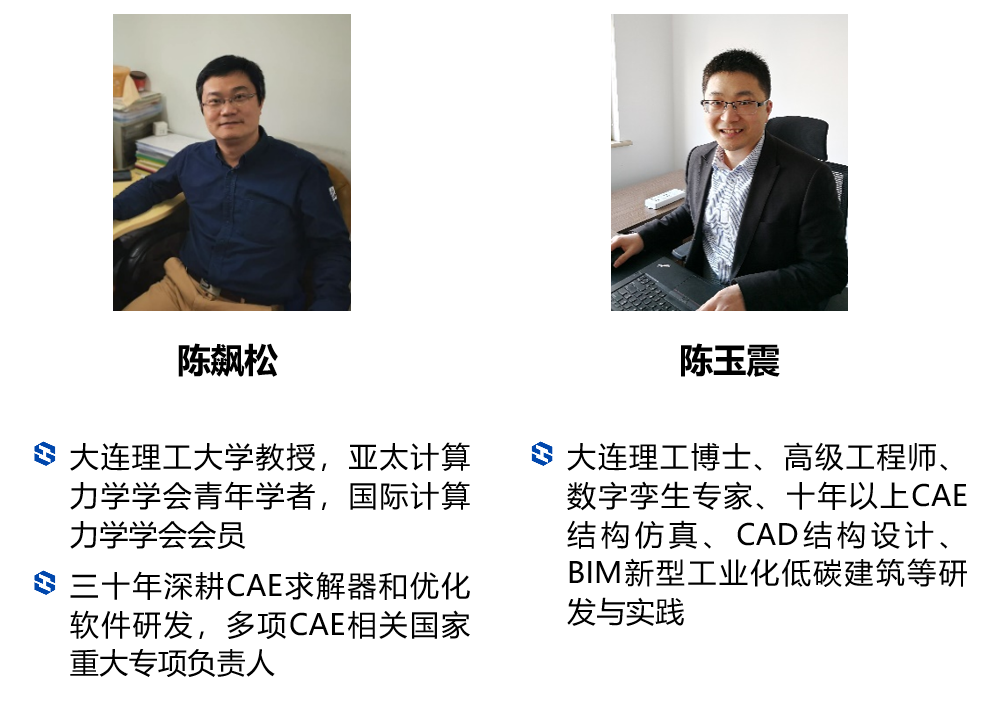
During testing, we deployed intelligent sensors with edge algorithms to gather vibration and performance data, rigorously validating the digital twin against the real machine.
The CA855-141 prototype achieved impressive results:
- About 50% weight reduction versus the original structure
- Estimated cost reduction of about 15%
- Bearing vibration ≤2.5 mm/s (well below the 4.6 mm/s national limit)
- Fan efficiency around 89.3%, exceeding Level 1 energy efficiency
- Motor power 200 kW versus 250 kW for a comparable foreign fan
For plant engineering teams, the CA855-141 demonstrates how our digitally engineered, energy-saving centrifugal blower can seamlessly replace an older unit. It offers lower weight, lower vibration, and lower power consumption while keeping material and manufacturing costs strictly under control.
Retrofit Paths in Our Blower Portfolio
Different industrial processes require distinct industrial fan retrofit paths. Within our extensive portfolio, several product families support typical blower system retrofit scenarios.
SiPESC High Efficiency Centrifugal Fans
Our SiPESC series high-efficiency energy-saving centrifugal fan targets large-flow, high-pressure duties where fan energy efficiency improvements are an absolute priority:
- Flow: 60,000–80,000 m³/h
- Total pressure: 6,000–9,500 Pa
- Efficiency: about 91%, reaching Level 1 energy efficiency
- New bearing box structure featuring imported bearings and high-strength steel plate
- Covered casing for low noise, wide efficient area, and flat performance curve
- Vibration ≤2.5 mm/s ensuring stable, reliable operation
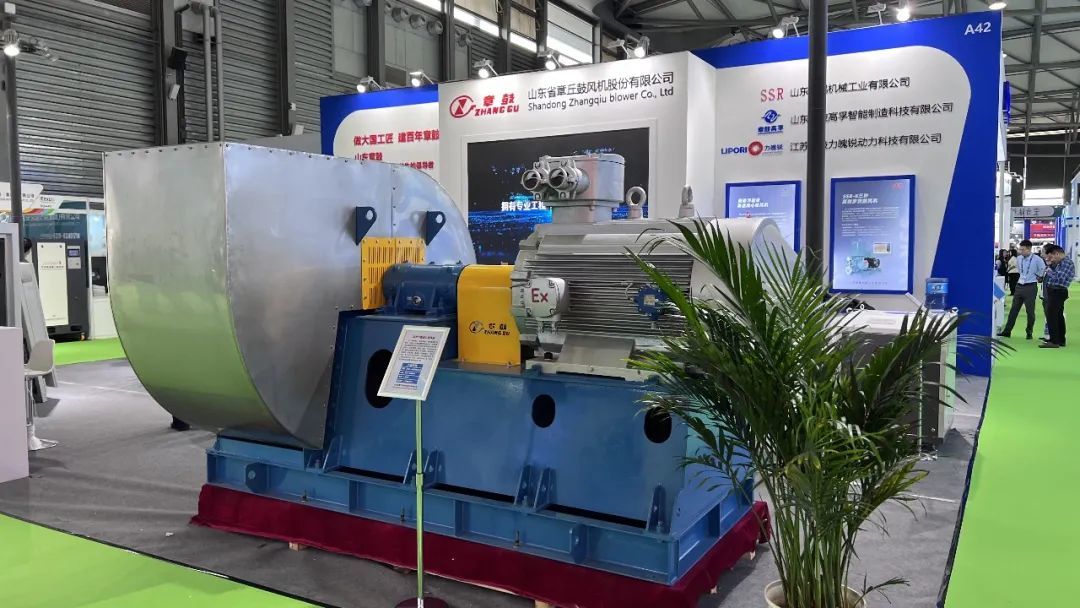
In an industrial fan retrofit, these high-efficiency centrifugal fans offer a direct, reliable route to lower specific energy use and tighter vibration control.
SSR-K Roots Blowers
For constant-volume applications, our SSR-K Roots blower series—jointly developed by our Japanese partner and our subsidiary—provides another excellent energy-saving centrifugal blower option within a blower system retrofit:
- Volumetric efficiency improved by about 5%–12%
- Energy savings of about 10%–30%
- Noise reduction of about 3–5 dB(A) through a proprietary shaft design
- Simplified maintenance featuring self-lubricating drive-end bearings
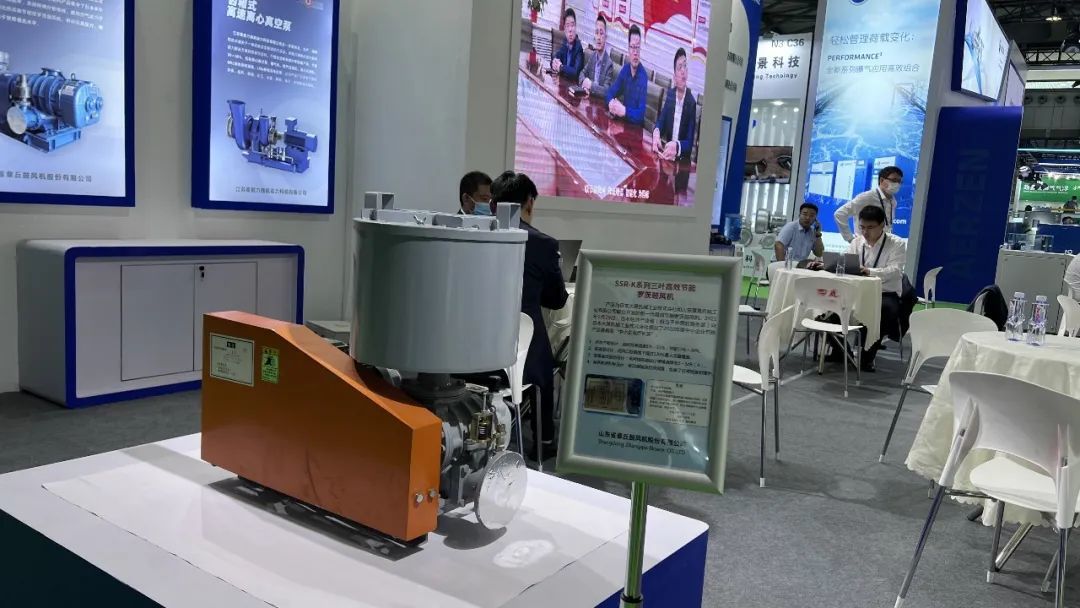
Our SSR-K Roots blowers are highly suitable where processes require stable volume delivery, a compact layout, and minimal noise output.
Air-Suspension and Magnetic-Suspension Centrifugal Blowers
For high-value services that demand extremely low vibration and noise along with effortless operation, we offer state-of-the-art air-suspension and magnetic-suspension centrifugal blowers. Common characteristics include:
- Direct coupling of a high-speed permanent magnet motor and a high-efficiency three-dimensional flow impeller
- Virtually zero vibration thanks to advanced suspension bearings and self-balancing technology
- Fan noise around 80 dB for most designs
- One-button start and intelligent control system
- Skid-mounted, integrated structure for convenient, fast installation
- Essentially maintenance-free operation
Typical application sectors for these blowers include wastewater treatment, food and pharmaceutical plants, petrochemical processes, metallurgy, leather and printing, and cement and building materials. These advanced technologies give plants a superior industrial fan retrofit option when low vibration, low noise, and simple day-to-day operations are just as vital as efficiency.
A Practical Roadmap for Plant Engineers
A structured approach helps drastically de-risk an industrial fan retrofit or blower system retrofit and keeps results completely transparent:
- Site survey and screening: Identify large fans and blowers with long operating hours, visible throttling, high vibration, or increasing noise.
- Baseline measurements: Record flow and pressure at the current operating point, motor power and operating hours, vibration levels, and audible noise. Review the maintenance history, especially regarding bearing failures, imbalance, and casing issues.
- Concept selection:
- For large-flow, high-pressure duties with wide operating ranges, evaluate our SiPESC high-efficiency centrifugal fans.
- For constant-volume services, strongly consider our SSR-K Roots blowers.
- For noise-sensitive or critical plants such as wastewater treatment and pharmaceuticals, assess our air-suspension or magnetic-suspension centrifugal blowers.
- Targets and acceptance criteria: Define realistic goals: Level 1 energy efficiency where feasible, vibration around or below 2.5 mm/s for conventional fans, and even lower levels for suspension blowers.
- Commissioning and verification: After installation, repeat the baseline measurements to confirm fan energy efficiency improvements, vibration reduction, and noise control.
Taken together, these precise steps help ensure that an industrial fan retrofit moves successfully from a concept to delivered operational savings.
Digital Transformation and Long-Term Performance Assurance
Hardware replacement is only part of a sustainable blower system retrofit. Our broader “智改数转” (intelligent and digital transformation) initiative connects intelligent equipment, smart sensors, and secure cloud services to maintain peak performance over the full lifecycle.

Key elements of our comprehensive approach include:
- Intelligent sensors equipped with edge algorithms used during prototype testing to collect real-time vibration, noise, and efficiency data.
- Application of digital twin concepts in our fan R&D process, as demonstrated in the successful CA855-141 project.
- Our proprietary smart cloud service platform, heavily supporting digital operation and maintenance of industrial equipment.
These capabilities enable condition-based maintenance, deep trend analysis of vibration and noise, and continuous verification that industrial fan retrofit projects continue to deliver their expected energy and reliability benefits. Ultimately, this supports China’s “双碳” (carbon peaking and carbon neutrality) goals through technology-driven industrial upgrades.
FAQs
What efficiency levels can our retrofit-grade centrifugal fans reach?
Based on our published data, the SiPESC series high-efficiency energy-saving centrifugal fan reaches about 91% efficiency and perfectly meets national Level 1 energy efficiency standards. Furthermore, our CA855-141 prototype achieved about 89.3% efficiency in testing, which also exceeds Level 1 requirements.
How low can vibration be after an industrial fan retrofit?
For our SiPESC series high-efficiency centrifugal fan and the CA855-141 prototype, the strict design and test target is bearing vibration ≤2.5 mm/s. This is significantly lower than the 4.6 mm/s national limit. Additionally, our air-suspension and magnetic-suspension centrifugal blowers further reduce vibration through advanced suspension bearings and self-balancing technology.
When should I select a high-efficiency centrifugal fan instead of a Roots blower?
High-efficiency centrifugal fans, such as our SiPESC series, are highly suitable for large-flow, high-pressure applications that operate across a wide range and require substantial fan energy efficiency improvements. Our SSR-K Roots blowers, on the other hand, are much better suited to constant-volume services where improved volumetric efficiency, a compact footprint, and simplified maintenance are the key priorities.
Where do air-suspension and magnetic-suspension blowers fit in retrofit projects?
Air-suspension and magnetic-suspension centrifugal blowers are highly recommended for high-value industrial fan retrofit projects that absolutely require extremely low vibration and noise, one-button smart control, and minimal routine maintenance. Typical sectors benefitting from this include wastewater treatment, food and pharmaceutical production, petrochemical processes, metallurgy, leather and printing, and cement and building materials.
How does our digital transformation protect long-term retrofit benefits?
Our core “智改数转” strategy actively combines SiPESC CAE design, intelligent manufacturing equipment, edge-enabled sensors, and our smart cloud service platform. Together, they seamlessly support digital R&D, precise testing, and smart operation and maintenance so that your energy-saving centrifugal blower upgrades continue to perform exactly as designed throughout their entire service life.


